Picture this: it’s a Monday morning, you have just arrived to your favourite gym, you walk in and it is filled with the rhythmic clinking of weights, the hum of machines, and the determined breathing of enthusiasts pushing their limits. In this world of exercise, shoulders play a crucial role, enabling us to lift, swing, and reach with precision and power. However, amidst the energy, there’s a silent and sometimes underestimated concern that looms around the shoulder area – rotator cuff injuries. Though not as dramatic as bone-crunching collisions on the field, they can be just as impactful, affecting both your workout and your daily life. Let’s delve into the realm of shoulder health and unpack the intricate web of rotator cuff injuries, understanding what they are, why they occur, and most importantly, how to best prevent them.
What Is The Rotator Cuff?
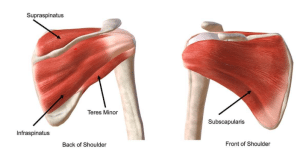
The rotator cuff muscles are a group of 4 muscles that attach the arm bone (humerus) to the shoulder blade (scapula). They consist of:
- Subscapularis (on the front)
- Supraspinatus (on the top back)
- Infraspinatus (on the middle back)
- Teres Minor (on the lower back)
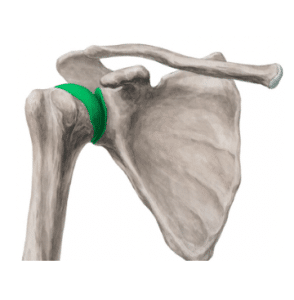
The shoulder joint is a ball and socket, so without these muscles the shoulder would not be able to control itself in the shoulder blade. These muscles (when functioning well) provide a perfect synchrony of stability between the front and back of the shoulder, to center your shoulder and create your perfect shoulder glide.
What Can Go Wrong?
The rotator cuff is involved in every shoulder movement, and due to the stresses placed on the shoulder during these movements, it is common for parts of the rotator cuff to get strained, inflamed and even torn.
Potential Contributing Causes?
- Overuse and repetitive movements, such as throwing, swimming, weightlifting can cause increased load on the tendons resulting in degeneration
- Aging reduces blood supply to tendons and muscles making them more prone to degeneration and weakening, which can contribute to the development of rotator cuff injuries
- Poor posture, particularly slumped shoulders and a forward head posture (maybe from sitting at your desk for too long!), can alter the shoulder position and place additional stress on the rotator cuff
- Muscular imbalances, so some muscles that are weaker and others that are tighter can affect the biomechanics of the shoulder, causing increased stress on the rotator cuff
- Previous injuries of the shoulder where rehab was not executed properly can mean the shoulder is more susceptible to re-injury
How to Prevent Rotator Cuff Injuries?
Preventing rotator cuff injuries involves maintaining good shoulder biomechanics, completing regular shoulder strength and flexibility exercises, using correct lifting techniques, and listening to your body to avoid overuse. If you suspect a rotator cuff injury or are experiencing shoulder pain, come into Movement Laboratory for an assessment from one of our Musculoskeletal Physios.