
Dry Needling Physiotherapy Sydney

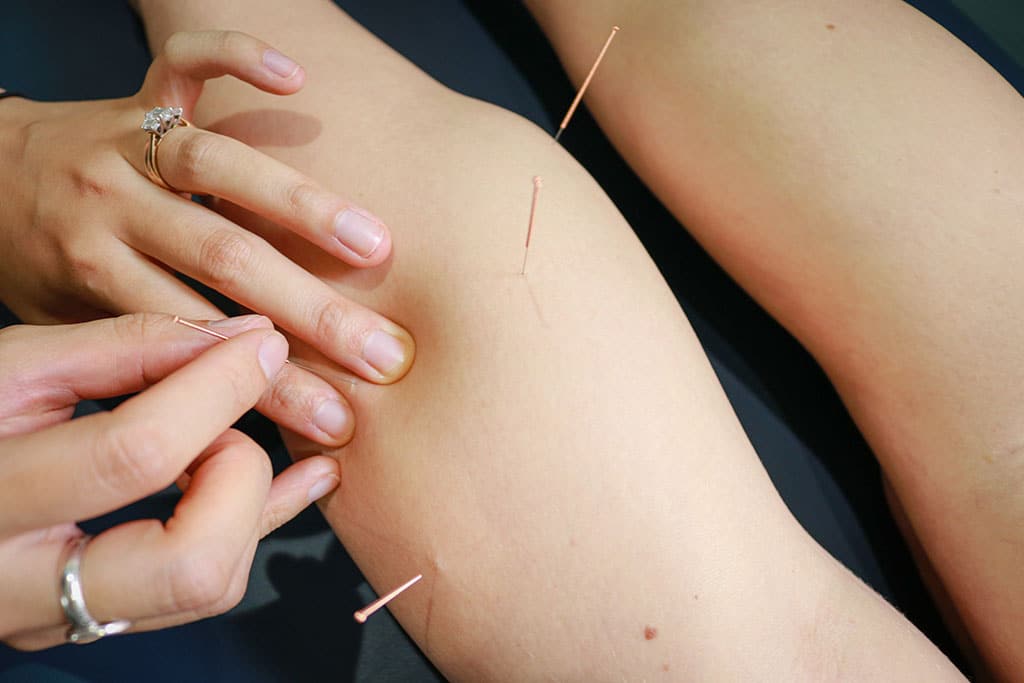
Dry needling helps to relieve muscle tension, reduce tissue sensitivity, and reduce inflammation in acute injuries. The process involves inserting fine needles into the muscle to provide quick-acting relief; the benefits may be felt the same day or within a couple of days.
Our physiotherapists are trusted by our Sydney clients to provide a range of treatments, including dry needling. Backed by a five-star Google rating from 140+ satisfied clients, our physiotherapists specialise in working with musculoskeletal conditions and chronic pain management.
Our approach to dry needling in Sydney focuses on educating our clients about correct body mechanics and healthy movement patterns. Our aim is to ensure that you’re not only moving better now, but also equipped with the knowledge and skills to live a pain-free future.
Dry needling coupled with movement retraining provides a powerful foundation for a speedy recovery.
Movement Laboratory Dry Needling Sessions
Your journey at Movement Laboratory begins with an initial consultation, where our skilled physiotherapy team will focus on understanding the root cause of your concerns. We believe in creating personalised treatment plans that cater to your specific goals, lifestyle, and long-term wellbeing.
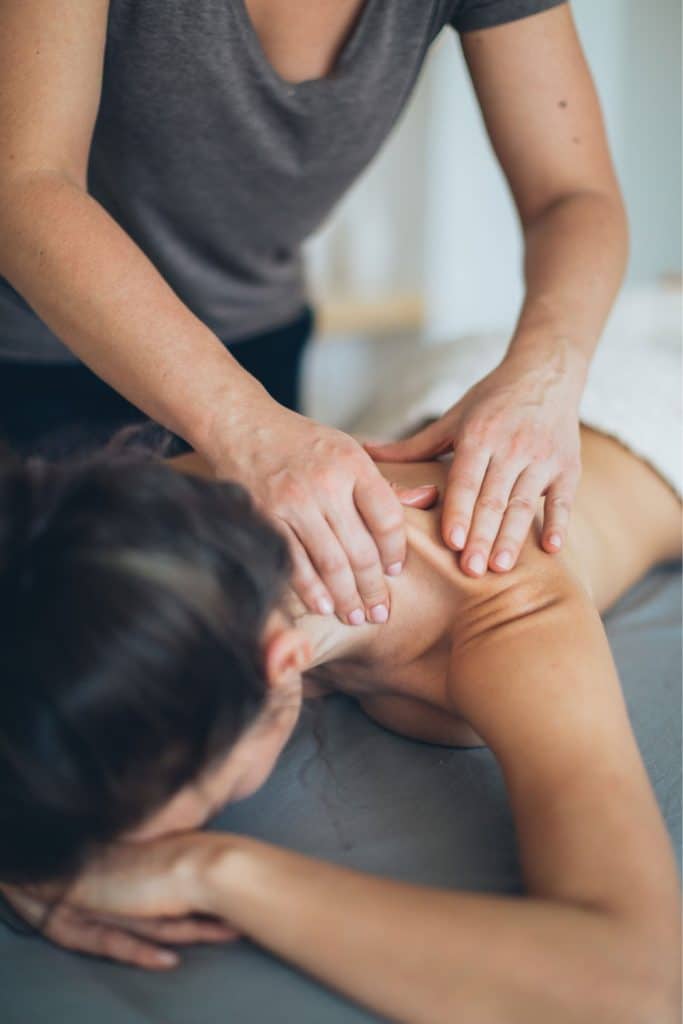
We may recommend incorporating other physiotherapy methods, such as shockwave therapy, massage therapy, clinical Pilates classes, and general physiotherapy sessions, in addition to your dry needling treatment to better manage your condition and enhance your overall physical health.
Our approach is focused on short-term relief and long-term results. We’re passionate about empowering you with the knowledge and self-care strategies required for preventing future injuries and managing current conditions more effectively.
During the consultation, you can expect:
Clear diagnosis
Timeframe for recovery
Education
Treatment plan
Self management strategies
What to do and what not to do
During the Treatment
When you undergo dry needling therapy, our focus is on providing a safe, comfortable, and effective treatment experience. Here’s a step-by-step description of what you can expect during the procedure:
- Preparation: We ensure that the treatment area is clean and ready for therapy.
- Needle Insertion: Using fine, sterile needles, we target specific trigger points in the muscles.
- Muscle Response: You may feel a slight twitch in the muscle, which is a good sign of the technique working.
- Duration: The needles are typically left in place for a short period, depending on your specific needs.
- Removal: Needles are carefully removed, and the area is cleaned again.
Throughout the treatment, our team ensures your comfort and safety, addressing any concerns you might have.
Aftercare and Follow-up
After your dry needling session, our team will provide comprehensive aftercare advice to maximise the benefits of the treatment. This includes:
- Recommendations for activities or exercises post-treatment.
- Tips to manage any immediate soreness or discomfort.
- Strategies for maintaining the improvements achieved in the session.
- Scheduling follow-up appointments, if necessary, to monitor progress and provide further treatment as required.
- Our goal is to ensure that you not only experience relief and recovery but also understand how to maintain and build upon the progress made during your sessions with us.

Common Conditions Treated at Movement Laboratory
Our skilled physiotherapists offer their knowledge and dedicated care to various musculoskeletal conditions. Our team is trained and ready to manage:

Degenerative conditions
Ligament tears and sprains
Muscle strain
Post operative rehabilitation
Chronic neck and shoulder pain
Migraine
Rib cage dysfunctions
Postural tension
Tendinopathy
Bursitis
Nerve pain or nerve impingement
Frozen shoulder
While this list is thorough, it doesn’t cover everything. If you’re facing a condition not mentioned here, please don’t hesitate to get in touch. We’re always available to offer advice and steer you on the path to recovery.
Movement Laboratory Physio, Inner West
Leichhardt
Movement Laboratory’s Leichhardt clinic was opened in 2018. We promote pain-free movement for our community, serving areas including Leichhardt, Balmain, Summer Hill, Annandale, Lilyfield, Stanmore, Haberfield, Rozelle, Petersham, and Lewisham.
Potential Benefits of Dry Needling

One of the primary potential benefits of dry needling, a widely recognised needling therapy in Australia, is its effectiveness in alleviating pain. At Movement Laboratory, we use this technique to address various types of pain, including muscular aches and joint discomfort. By targeting trigger points, dry needling can help release muscle tension and reduce pain in areas such as the back, neck, shoulders, and legs. This approach is particularly beneficial for those suffering from conditions like chronic back pain, sports injuries, and muscle strains.
Another possible benefit of dry needling is an improvement in mobility and function. The therapy might assist in relaxing tight muscles and easing joint pressure, potentially enhancing range of motion and flexibility. For example, patients with stiff shoulders or hips may experience an improvement in their ability to move freely after undergoing dry needling. This potential enhancement in mobility is of interest to athletes and those aiming for an active lifestyle.
Dry needling could play a role in speeding up the rehabilitation process. It can help in reducing muscle soreness and speed up recovery after intense physical activity or injury. This aspect of dry needling is potentially beneficial for athletes and those undergoing physical therapy, as it may help them return to their activities quicker and more efficiently.
Dry needling may also lower inflammation levels in the body. This potential benefit is particularly relevant in treating conditions such as tendinitis or arthritis, where inflammation plays a key role in pain and reduced mobility. Through our dry needling in Australia, our goal is to lessen these inflammatory responses, providing comfort and improved function.
Our dry needling therapy also focuses on fascial release. Fascia, the connective tissue surrounding muscles, can often become tight and restrictive. Dry needling can assist in releasing this tightness, enhancing overall body movement and reducing discomfort. This aspect of the treatment may help in improving flexibility and reducing the risk of injury.
Who Shouldn't Get Dry Needling Treatments
At Movement Laboratory, your safety and well-being are our top priorities. While dry needling is a highly beneficial therapy for many, it’s not suitable for everyone. Here are some conditions and situations where physio dry needling might not be the best option:
Pregnancy: We generally advise against dry needling during pregnancy, especially in the first trimester. While it’s not inherently dangerous, it’s best to err on the side of caution.
Fear of Needles: If you have a significant fear of needles (trypanophobia), this treatment might cause unnecessary stress and anxiety.
Blood Disorders: Individuals with bleeding disorders or those on blood-thinning medication should avoid this treatment due to an increased risk of bruising or bleeding.
Infections or Skin Conditions: If you have an infection or a skin condition in the area where dry needling would be applied, it’s best to avoid the treatment to prevent exacerbation or spread of the condition.
Compromised Immune System: For those with a weakened immune system, the risk of infection from any invasive procedure is higher, making dry needling less advisable.
Metal Allergies: If you have allergies to certain metals used in the needles, we recommend discussing alternative treatments.
Severe Psychological Conditions: In cases of severe mental health conditions, it’s important to consult with your healthcare provider before considering dry needling.
We’re here to guide you through understanding whether dry needling is suitable for you. During your initial consultation, our team will conduct a thorough assessment and discuss any concerns or medical conditions you may have. Our goal is to provide the safest and most effective treatment plan for your needs.
Frequently Asked Questions
No, dry needling is not the same as acupuncture. While both techniques use fine needles, dry needling is based on Western medical principles and focuses on treating muscular pain and dysfunction. Acupuncture, on the other hand, is rooted in traditional Chinese medicine and aims to balance the body’s energy flow.
Dry needling can be effective for various conditions, including chronic back pain, sports injuries, muscle strains, tendinitis, arthritis, and postural tension. It’s also beneficial for improving mobility and enhancing recovery from physical activities.
During a dry needling session, you will first undergo an initial consultation to assess your needs. The treatment involves the insertion of needles into specific muscles, which may cause a slight twitch or muscle response. The session typically concludes with aftercare advice to maximise the benefits of the treatment.
Most clients experience minimal discomfort during dry needling. You may feel a slight pinching sensation upon needle insertion and a muscle twitch when the needle reaches the trigger point. Any discomfort is usually brief.
The response to dry needling varies among individuals. Some may experience immediate relief after the first session, while others might need a few sessions to notice significant improvements. Your therapist will discuss a treatment plan and expected outcomes during your initial consultation.
Dry needling is generally safe with minimal side effects. Some clients might experience mild soreness or bruising at the needle site, which usually resolves within a day or two. Your therapist will discuss all potential side effects and aftercare instructions during your consultation.