Movement Lab – Strong Bones Circuit
Movement Laboratory offers strength circuit classes for Osteoporosis and bone health, designed by physiotherapists and tailored to your body structure and performance goals.
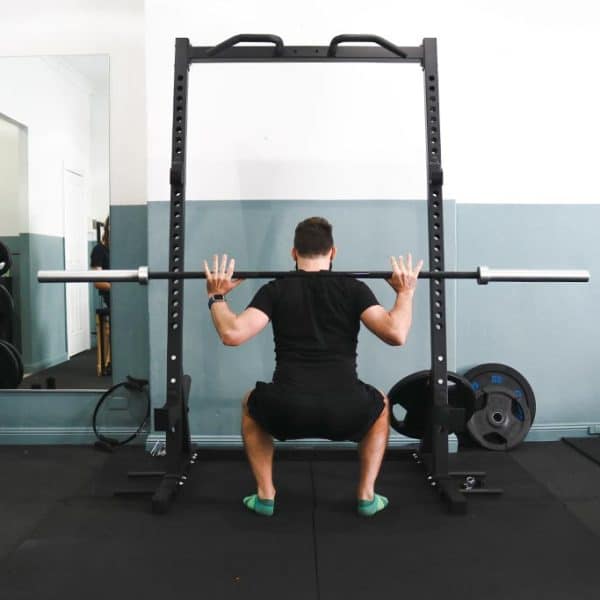
Take Control of your Bone Health
Bone health is not just about staying active; it’s about moving with purpose. As we age, hormonal changes, periods of inactivity, and the natural wear and tear of life can lead to a gradual decline in bone density. This process is often silent, becoming evident only after a fall or fracture.
If you are navigating perimenopause or menopause, living with osteoporosis or osteopenia, feel out of place in big commercial studios that push too hard and guide too little, or want more quality teaching in a smaller group, but not feel like you’re in a rehab class, then our Bone Health Strength Circuit are for you.
Our Bone Health Circuit classes are led and designed by physiotherapists and experienced movement educators. Every session is structured around current clinical guidelines, tailored to your specific goals, and closely monitored for safety and progress. We are not a generic fitness studio. We are a clinic where exercise becomes a powerful tool for prevention, resilience, and confident living.
Tired of workouts that weren’t built for you?
“I just want to stay strong and steady—without the guesswork. I’m tired of Googling, second-guessing, and stitching my own plan together.”
The Stats on Bone Health
Bone loss doesn’t start at 70. For many, it starts at 40. It can present as joint pain, balance issues, or a classic fracture. This is particularly true for women. Women can lose up to 5% of bone mass during six months of breastfeeding, and bone density can drop by up to 20% in the first five to seven years after menopause.
However, men also suffer bone-related injuries. A 2024 study by the International Osteoporosis Foundation found that 1 in 2 women and 1 in 3 men over 50 will suffer a bone-related fracture. For both women and men, after the first fracture, the risk of a second fracture more than doubles.
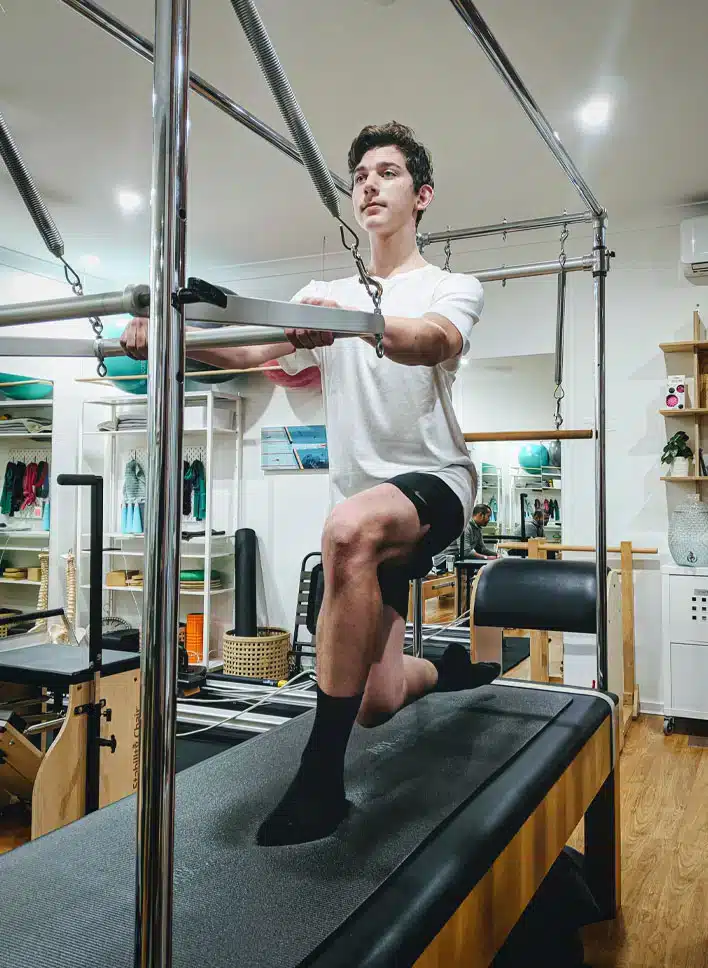
Exercise Guidelines for Healthy Bones
Targeted, supervised exercise is one of the most effective ways to maintain and build bone strength, while also reducing the risk of falls. However, not all exercise is created equal, and not all strength classes are designed with your safety, bone health, and long-term outcomes in mind.
Exercise and Sports Science Australia found:
- Progressive resistance training (PRT), performed 2 to 3 times per week, such as with weights, resistance bands, and reformers, can help build and maintain bone density.
- Loading the bones safely through weight-bearing activities, such as walking, stair climbing, and controlled step-ups, and focusing on balance and functional training 3 to 5 times per week, can improve postural control and reduce the risk of falls.
Our team specialises in musculoskeletal physiotherapy and is experienced Clinical Circuit and Rehabilitation instructors. Using the guidelines above and by understanding your condition, we create evidence-based workout schedules tailored for you.
Bone Health Class in Movement Laboratory
Bone health is not just about feeling the burn, nor is it just about the glutes and core. We design our classes to keep you strong, steady, and resilient.
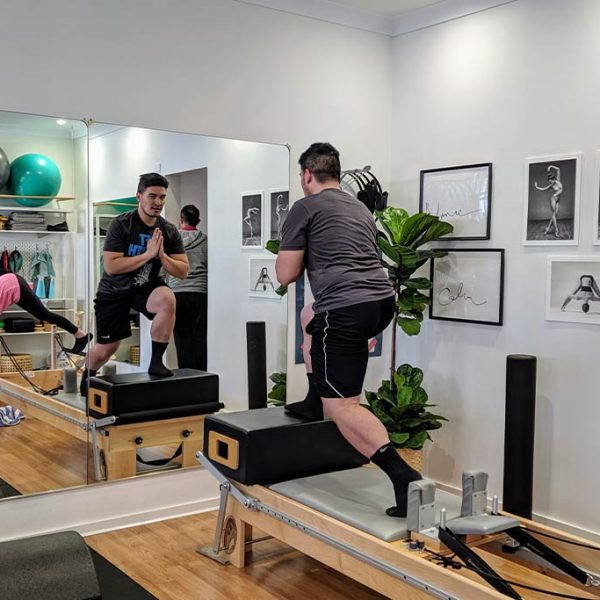
Our Strength Circuit classes incorporate Reformers, weight rack, dumbbells, kettlebells, barbells, and targeted resistance tools to progressively load bones and strengthen the body safely. We combine strength training with balance-focused movement and postural education to ensure that every session supports your health in a measurable, evidence-based way.
We don’t deliver one-size-fits-all classes. Your enrolment includes a 30 mins chat with our physio. We take the time to understand your health history, movement patterns, and goals through a comprehensive assessment.
Our classes are claimable on private health insurance where eligible, and we work closely with you to ensure your exercise program is sustainable and effective.
Our Class vs Commercial Pilates
| Commercial Pilates Studios | Movement Lab Clinical Classes |
| Large class sizes (10–20+ people) | Small classes (max 5 per class) — you’re seen and guided |
| General fitness focus (burn, tone, sweat) | Preventative health focus — designed for bone health, stability, mobility |
| Not tailored to specific conditions | Targeted programs for osteoporosis, menopause, arthritis, etc. |
| Instructors may not be qualified for clinical populations | Led by physiotherapists, women’s health specialists, and movement educators |
| No initial screening | Starts with a 1:1 physiotherapy assessment |
| Often unaware of your medical history | Your history is reviewed before you even join a class |
| No evidence-based framework | Designed using latest clinical research and guidelines |
| Not health fund eligible | Eligible for private health fund rebates |
| Minimal ongoing education | Team constantly upskilling, training and reviewing outcomes |
| “Feel the burn” style classes | Structured, intentional movement that protects and strengthens |
Ready to Move with Confidence?
If you or your loved one is looking to exercise for bone health, simply “moving” is not enough. The type of exercise, the supervision you receive, and how your body is assessed and progressed can determine whether your efforts will effectively support your health or put you at risk.
At Movement Lab, we make exercise purposeful, safe, and aligned with your goals so you can move confidently and maintain your health long-term.
Lesson Guide
Class Structure (50–55 minutes)
Exercise Recommendations
Staying active helps support your bone health and is important throughout life. The benefits of exercise far outweigh any risk and a supervised exercise program can help you gain confidence. People with osteoporosis should remain active and not avoid exercise. Please note exercise is not a replacement for osteoporosis treatment.
Below is a summary of the 3 types of exercise recommendations. It explains recommended exertion level, repetitions and frequency per week based on your level of ability. This information can be shared with a trainer. For high risk individuals supervision by an exercise physiologist is recommended.
A trainer can assist with determining your 1RM and RPE.
Frequently Asked Questions
What to Expect After Your Assessment
If you need more support, or are currently suffering from multiple pains and aches, we might suggest physiotherapy intervention, or to choose our clinical studio classes instead.
Do I need an assessment before starting classes?
Yes. This ensures your program is tailored, safe, and aligned with your body’s needs and goals. It also allows us to screen for any underlying concerns and to develop a clear plan for your progression.
Are your classes health fund claimable?
Many of our clients claim their sessions under physiotherapy or exercise physiology, depending on their health fund and coverage.
How does enrolment work?
After your intro package, we will guide you into a class stream that fits your goals and schedule, ensuring consistency and clear progression.